
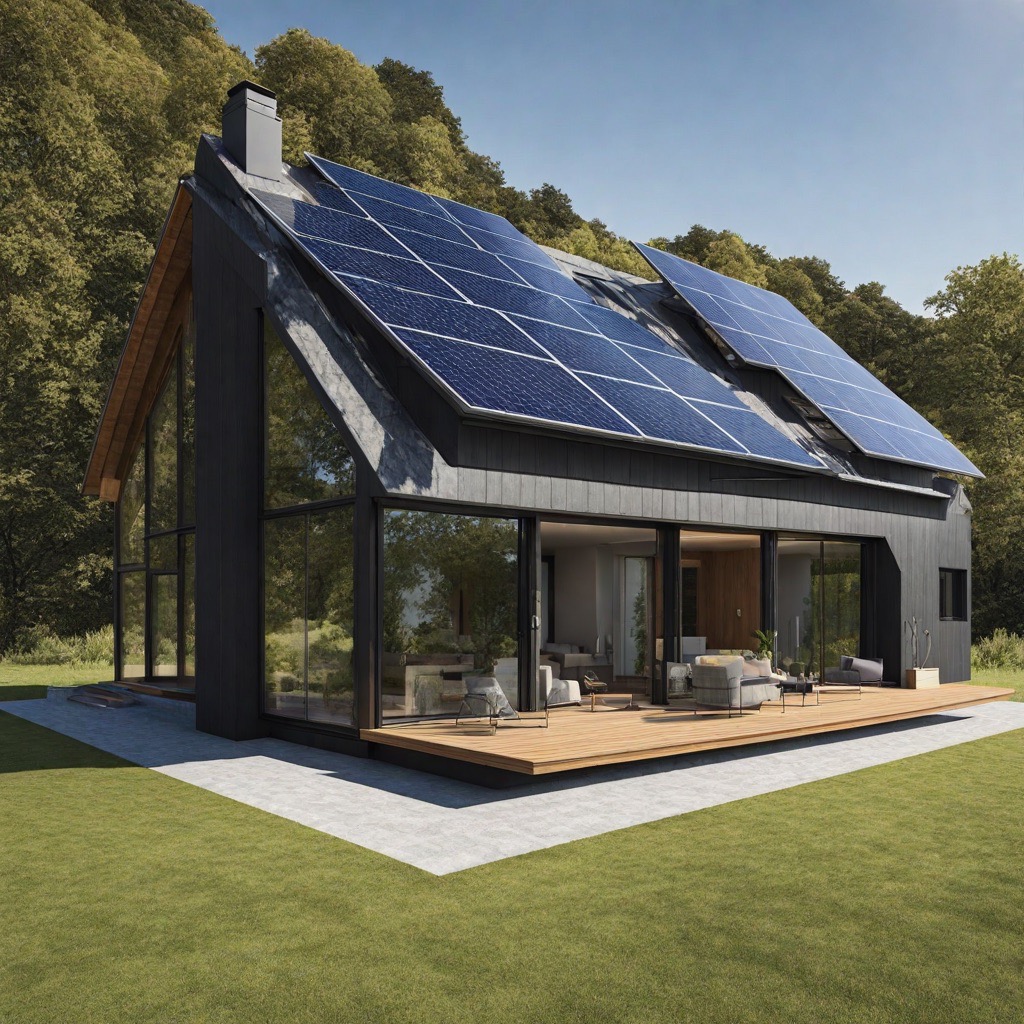
What are Solar Panels and How Do They Work?

Solar panels, also called photovoltaic panels, are devices that convert sunlight into electricity. They contain solar cells made of silicon, which generate an electric current when exposed to sunlight. The solar cells have a positive and negative layer that creates an electric field, pushing the excited electrons towards the positive layer, resulting in the flow of electricity. The panels are protected by a layer of glass or plastic to ensure their durability and efficiency.
Installed on rooftops or open spaces, solar panels capture sunlight to produce electricity. The generated direct current (DC) electricity is converted into alternating current (AC) electricity using an inverter, making it suitable for powering household appliances and connecting to the electrical grid. Excess electricity can be fed back into the grid through net metering, allowing users to receive credits or compensation for the energy they produce.
Solar panels offer a clean and renewable energy source, contributing to the reduction of greenhouse gas emissions and combating climate change. Their popularity has grown as they provide an environmentally friendly alternative to fossil fuels. By harnessing the power of the sun, solar panels play a vital role in the transition to a sustainable energy future.
The Basics of Solar Panel Technology
Solar panel technology is based on the principle of converting sunlight into electricity through the photovoltaic effect. Solar panels are composed of solar cells, typically made from silicon, that absorb sunlight and generate an electric current. The solar cells have a positive and negative layer, creating an electric field that pushes the excited electrons towards the positive layer, resulting in the flow of electricity. To protect the cells and enhance their efficiency, they are covered with a protective layer, often made of glass or plastic.
Solar panels are designed to be mounted on rooftops or in open spaces where they can receive maximum sunlight exposure. The direct current (DC) electricity produced by the panels is converted into alternating current (AC) electricity using an inverter, making it compatible with household appliances and the electrical grid. The excess electricity generated can be fed back into the grid, allowing users to receive credits or compensation for the energy they contribute.
What Size Solar Panel System Do You Need?
The size of a solar panel system needed for a house depends on several factors, including the energy consumption of the house, the location and orientation of the house, available roof or ground space, and the desired level of energy independence.
To determine the size of the solar panel system, the first step is to evaluate the average electricity consumption of the house. This can be obtained from previous electricity bills or by estimating the power requirements of different appliances and devices used in the house.
Once the energy consumption is determined, it is recommended to consult with a solar energy professional or use online solar calculators to estimate the system size. These tools consider factors such as the local solar irradiation levels, the tilt and azimuth of the roof, shading issues, and the desired amount of energy generation.
A typical residential solar panel system can range from a few kilowatts (kW) for small homes to tens of kilowatts for larger properties. It’s important to strike a balance between the available space, budget, and desired energy output to determine the optimal system size for a specific house.
How Many Solar Panels Do You Need?
The number of solar panels needed for a house depends on various factors, including the energy consumption of the house, the efficiency of the solar panels, the available roof or ground space, and the desired level of energy independence.
To determine the number of solar panels required, the first step is to evaluate the average electricity consumption of the house. This can be obtained from previous electricity bills or by estimating the power requirements of different appliances and devices used in the house.
Once the energy consumption is determined, the next step is to consider the efficiency of the solar panels. Solar panels have different wattage ratings, and their efficiency determines how much electricity they can generate from a given amount of sunlight.
By dividing the total energy consumption by the average wattage output of the solar panels, you can estimate the number of solar panels needed. It’s worth noting that factors such as shading, the tilt and orientation of the roof, and local solar irradiation levels should also be taken into account to ensure optimal performance.
The specific number of solar panels required can vary greatly depending on the factors mentioned above, but typically, a residential solar panel system may consist of anywhere from a few to several dozen panels. Consulting with a solar energy professional or using online solar calculators can help provide a more accurate estimation based on the unique circumstances of the house.
How to Install Solar Panels – Step by Step Guide
Installing solar panels requires careful planning and adherence to safety guidelines. Here is a step-by-step guide on how to install solar panels:
- Evaluate your energy needs: Determine your average energy consumption to assess the size of the solar panel system required. Consider factors such as available roof or ground space, shading, and local regulations.
- Obtain necessary permits: Check with local authorities to obtain the required permits and approvals for installing solar panels. Ensure compliance with any building codes or regulations specific to your area.
- Engage a professional or DIY: Decide whether to hire a professional solar installer or undertake the installation yourself. If opting for a professional, research reputable installers and request quotes.
- Conduct a site assessment: Evaluate your roof or ground space to assess its suitability for solar panels. Consider factors such as orientation, tilt, shading, and structural integrity. Ensure the surface is sturdy enough to support the weight of the panels.
- Procure the necessary equipment: Purchase high-quality solar panels, inverters, racking systems, and wiring components from reputable suppliers. Ensure they are compatible with your specific installation requirements.
- Install the mounting system: Begin by installing the racking or mounting system on the roof or the ground. Follow the manufacturer’s instructions carefully to ensure proper alignment and secure attachment.
- Connect the wiring: Connect the solar panels to the inverters using appropriate wiring and connectors. Adhere to electrical safety guidelines and consult an electrician if needed.
- Secure the panels: Carefully place the solar panels onto the mounting system, ensuring they are securely fastened. Double-check the alignment and spacing between panels for optimal sunlight exposure.
- Install the inverter: Mount the inverter in a suitable location, preferably indoors or in a protected area. Connect the inverter to the electrical system of your house, following safety protocols and local electrical codes.
- Test the system: Once the installation is complete, perform thorough testing of the solar panel system. Check for proper wiring connections, energy production, and monitor for any potential issues.
- Final inspections and grid connection: Schedule a final inspection by local authorities or utility companies to ensure compliance. Coordinate with your utility provider to connect the system to the electrical grid.
Remember, if you are not confident in your abilities, it is recommended to hire a professional solar installer to ensure a safe and efficient installation.
What Are the Costs and Savings of Installing Solar Panels?
The costs and savings associated with installing solar panels vary depending on several factors, including the size of the system, the location, available incentives, and the local energy rates. Here’s an overview:
- Installation Costs: The initial cost of installing solar panels includes the purchase of the panels, inverters, mounting equipment, and wiring components. Additionally, there may be costs associated with permits, inspections, and hiring a professional installer if needed. The total installation cost can range from several thousand pounds to tens of thousands of pounds, depending on the size and complexity of the system.
- Incentives and Rebates: To promote solar energy adoption, governments and utilities often offer incentives and rebates to offset installation costs. These can include grants, tax credits, feed-in tariffs, or net metering programs. The availability and amount of these incentives can vary depending on the region.
- Energy Savings: One of the significant benefits of installing solar panels is the potential for energy savings. Solar panels generate electricity from sunlight, reducing the amount of electricity purchased from the grid. The amount of savings depends on factors such as the system’s size, efficiency, local energy rates, and the amount of sunlight available in your location. Over time, the savings on electricity bills can accumulate, helping to offset the initial installation costs.
- Return on Investment (ROI): Installing solar panels is often considered as a long-term investment. The ROI period is the time it takes for the energy savings to cover the initial installation costs. The ROI can typically range from several years to a decade or more, depending on the factors mentioned earlier. After the ROI period, the solar panel system can continue to generate energy and provide ongoing savings for the remainder of its lifespan, usually 25 years or more.
- Environmental Benefits: In addition to financial savings, installing solar panels contributes to a greener and more sustainable future. Solar energy is renewable and produces no greenhouse gas emissions during operation. By reducing reliance on fossil fuels, solar panels help mitigate climate change and decrease the carbon footprint.
It is recommended to consult with solar energy professionals, obtain multiple quotes, and consider the available incentives to determine the specific costs and potential savings associated with installing solar panels for your particular situation.
FAQs: Answering Your Common Questions about Solar Panel Installation
Do I Need Planning Permission to Install Solar Panels?
In the UK, most residential solar panel installations fall under the permitted development rights, which means that planning permission is not typically required. However, there are certain conditions and limits to be aware of:
- Listed Buildings and Conservation Areas: If your property is a listed building or located within a conservation area, additional restrictions may apply. In such cases, it is advisable to consult with the local planning authority to determine if planning permission is needed.
- Significant Alterations: If the solar panel installation involves significant alterations to the roof structure, such as raising the height or altering the shape, planning permission may be required.
- Location and Visibility: The positioning and visibility of the solar panels can also influence the need for planning permission. Panels should be installed in a way that minimizes their visual impact, especially if the property is in a sensitive or prominent location.
- Roof Extensions or Additional Installations: If the solar panel installation is combined with other roof extensions or installations, such as dormer windows or satellite dishes, it is recommended to check if planning permission is needed for those modifications.
It is important to note that regulations and requirements can vary between different regions and local planning authorities. Therefore, it is advisable to contact your local planning authority or consult with a professional installer who can guide you through the planning permission process specific to your location and circumstances.
How Long Does it Take to Install Solar Panels?
The duration of solar panel installation can vary depending on several factors, including the size of the system, the complexity of the installation, the availability of equipment and personnel, and any additional site-specific requirements. On average, the installation process can take anywhere from a few days to a few weeks. Here’s a general breakdown of the timeline:
- Pre-Installation Assessment: Before the actual installation begins, there is usually a pre-installation assessment that includes site visits, design considerations, and obtaining necessary permits. This phase can take a few days to a couple of weeks, depending on the complexity and any potential regulatory requirements.
- Equipment Procurement: Once the design and permits are in place, the solar panels and other necessary equipment need to be procured. The time required for equipment procurement can vary depending on supplier availability and shipping times. This process typically takes a few days to a couple of weeks.
- Installation: The actual installation process involves mounting the panels, connecting the wiring, and installing the inverter. The duration of the installation largely depends on the size of the system and the complexity of the project. For a standard residential installation, it can take anywhere from a few days to a week or two.
- Electrical Connection and Inspections: After the physical installation, the solar panel system needs to be connected to the electrical grid. This process involves coordinating with the utility company, obtaining necessary approvals, and scheduling inspections. The time required for this step can vary depending on the utility company’s procedures and availability.
It’s important to note that unforeseen circumstances such as adverse weather conditions, site-specific challenges, or any additional customizations can affect the overall installation timeline. To get a more accurate estimate, it is recommended to consult with a professional solar installer who can assess your specific situation and provide a more precise timeframe.
What is the SEG (Smart Export Guarantee)?
The Smart Export Guarantee (SEG) is a government-backed scheme in the United Kingdom that provides a mechanism for solar panel owners to receive payment for excess electricity they export to the grid. It was introduced in January 2020 to replace the previous Feed-in Tariff (FiT) scheme.
Under the SEG, electricity suppliers with over 150,000 customers are required to offer payment for surplus electricity exported by small-scale renewable energy generators, including solar panel owners. The specific payment rates and contract terms are set by individual suppliers, providing competition in the market.
The SEG gives solar panel owners the opportunity to earn money by selling their unused electricity back to the grid. This incentivizes the installation of solar panels and encourages the generation of renewable energy. The rates offered by suppliers can vary, so it is advisable for solar panel owners to compare and choose the most favorable tariff available to them.
It’s worth noting that the SEG is separate from the generation tariff provided by the Feed-in Tariff (FiT) scheme, which closed to new applicants in March 2019. The FiT scheme provided payments for both the electricity generated by solar panels and the surplus electricity exported to the grid.
To participate in the SEG, solar panel owners must ensure that their system meets the eligibility criteria set by their chosen electricity supplier. They need to have a smart meter installed to accurately measure the amount of electricity exported. It is recommended to contact electricity suppliers directly or consult with a renewable energy specialist to understand the specific requirements and available options under the SEG.